How to increase your car's resale value before selling
You add the most value by proving the car has been looked after and fixing the small faults a buyer can spot in half a minute. You rarely add value by spending four figures on big mechanical work just before you sell — that money goes to the next owner, not to you. A complete service history, a clean MOT, tidy paperwork and a proper valet are what turn a haggle into an asking-price sale.
Here’s the order to do it in, and where to stop.
Sort the service history first
Gaps in the history are where a buyer gets their leverage. “Full service history” on the advert and a half-empty stamp book on the driveway is how a £500 discount starts. Before you photograph anything:
- Pull the free MOT history from GOV.UK using the number plate. Check the mileage trail climbs sensibly and read the advisories — the buyer will.
- Dig out every receipt. Servicing, tyres, brakes, cambelt, MOT work. Loose receipts in a shoebox still count, but only if you can find them on the day.
- Chase the records you don’t have. If the car was serviced at a franchised dealer under a previous owner, the manufacturer’s records may fill the gaps. We can request them for you and they come back within hours.
- Get it into one place so a buyer can read it in order rather than sifting a folder. That’s what a digitised record is for.
This step costs you time rather than money, which is why it’s worth doing first.
Fix the small faults a buyer sees in thirty seconds
Cheap, visible faults do disproportionate damage. They tell a buyer the car has been neglected, and neglect is what they price in. Work through this list:
- Blown bulbs — sidelights, brake lights, number plate lights.
- Tyres — legal tread all round, matched where possible, correct pressures.
- Windscreen chips — often covered by insurance, and an MOT fail if they’re in the wrong place.
- Wipers and washers — a smeary screen on the test drive is a bad first impression.
- Warning lights — get the fault read. An illuminated dash kills more deals than the underlying repair costs.
- Kerbed alloys — a refurb on a set of wheels is usually money back.
- Missing bits — parcel shelf, boot floor, locking wheel nut key, both keys, the handbook.
Leave the big-ticket jobs alone — unless you can prove them
A new clutch, a fresh set of premium tyres or a full cambelt and water pump will cost you hundreds and add far less than that to the price. Buyers rarely pay a premium for work they didn’t ask for; they simply stop using it as a bargaining chip.
The exception is anything due or overdue on the schedule — a cambelt in particular. Then you have two honest options: get it done and keep the invoice with the date and mileage on it, or leave it and price the car accordingly, saying so up front. What you shouldn’t do is claim it’s “probably been done”. A buyer who can’t verify it will assume the worst and knock off the full cost of the job.
Clean it properly, then photograph it properly
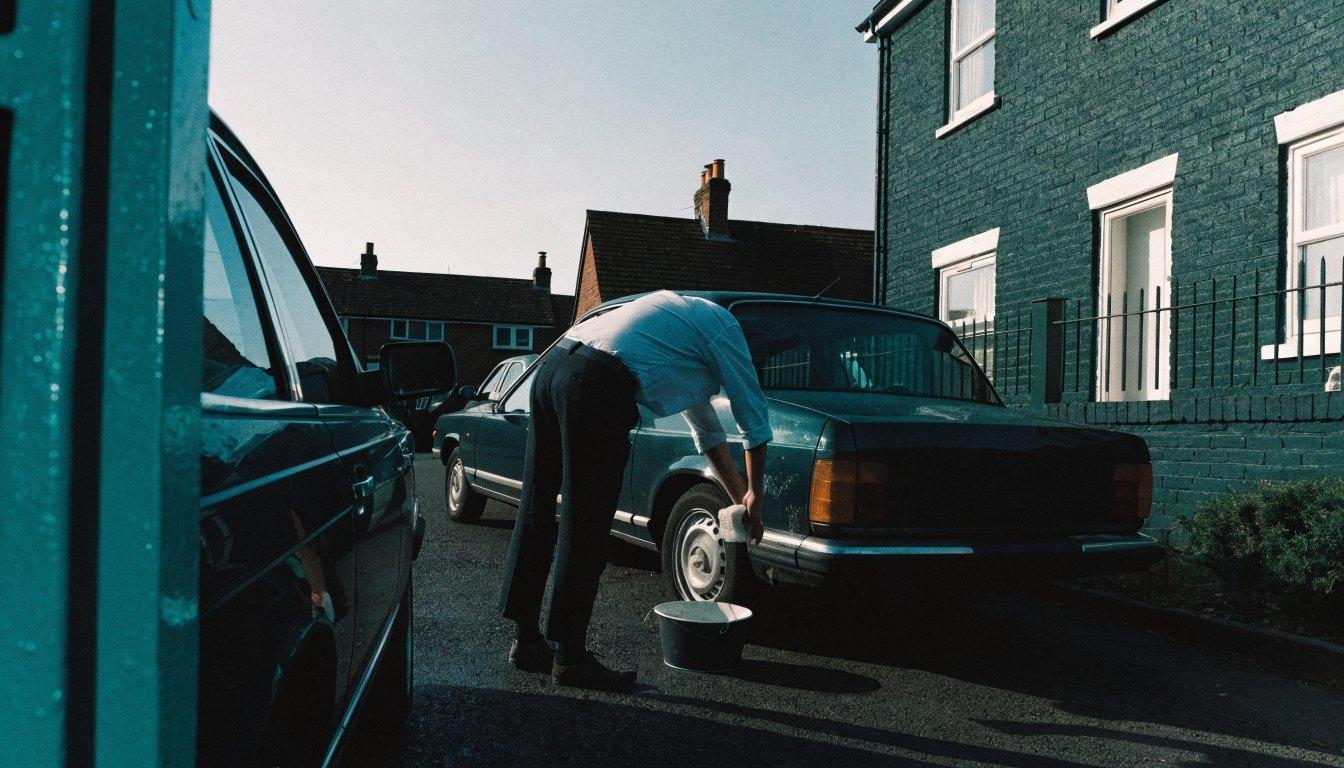
A good valet costs little and changes the first impression more than anything else on this list. Clear the boot and glovebox, bin the air freshener, shampoo the mats, clean the door shuts and the inside of the windscreen. Smells matter more than shine — smoke and dog are both discount triggers.
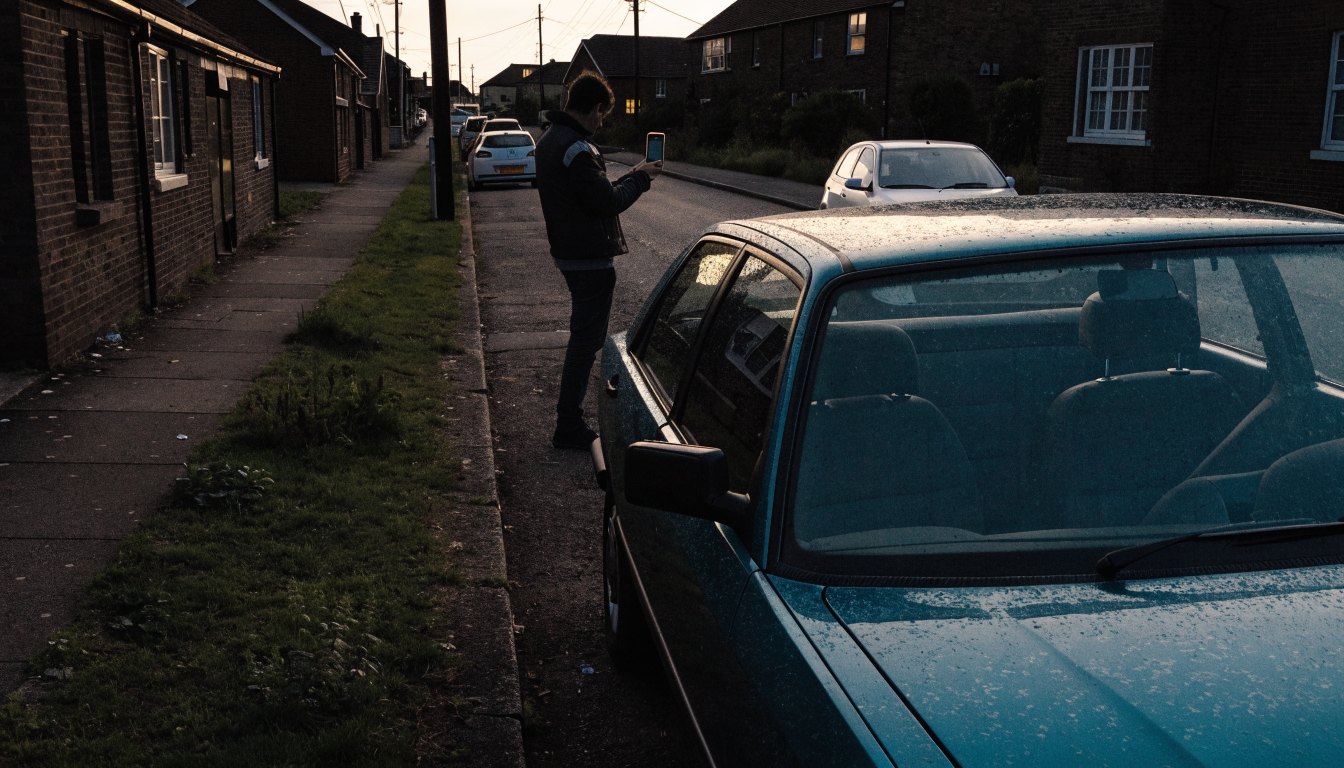
Then photograph it on a dry day, on a plain background, with the car facing away from the sun. Twelve to fifteen shots: all four corners, both interiors, the boot, the wheels, the engine bay, the dashboard with the mileage showing, and the paperwork laid out.
Put the proof somewhere a buyer can check it
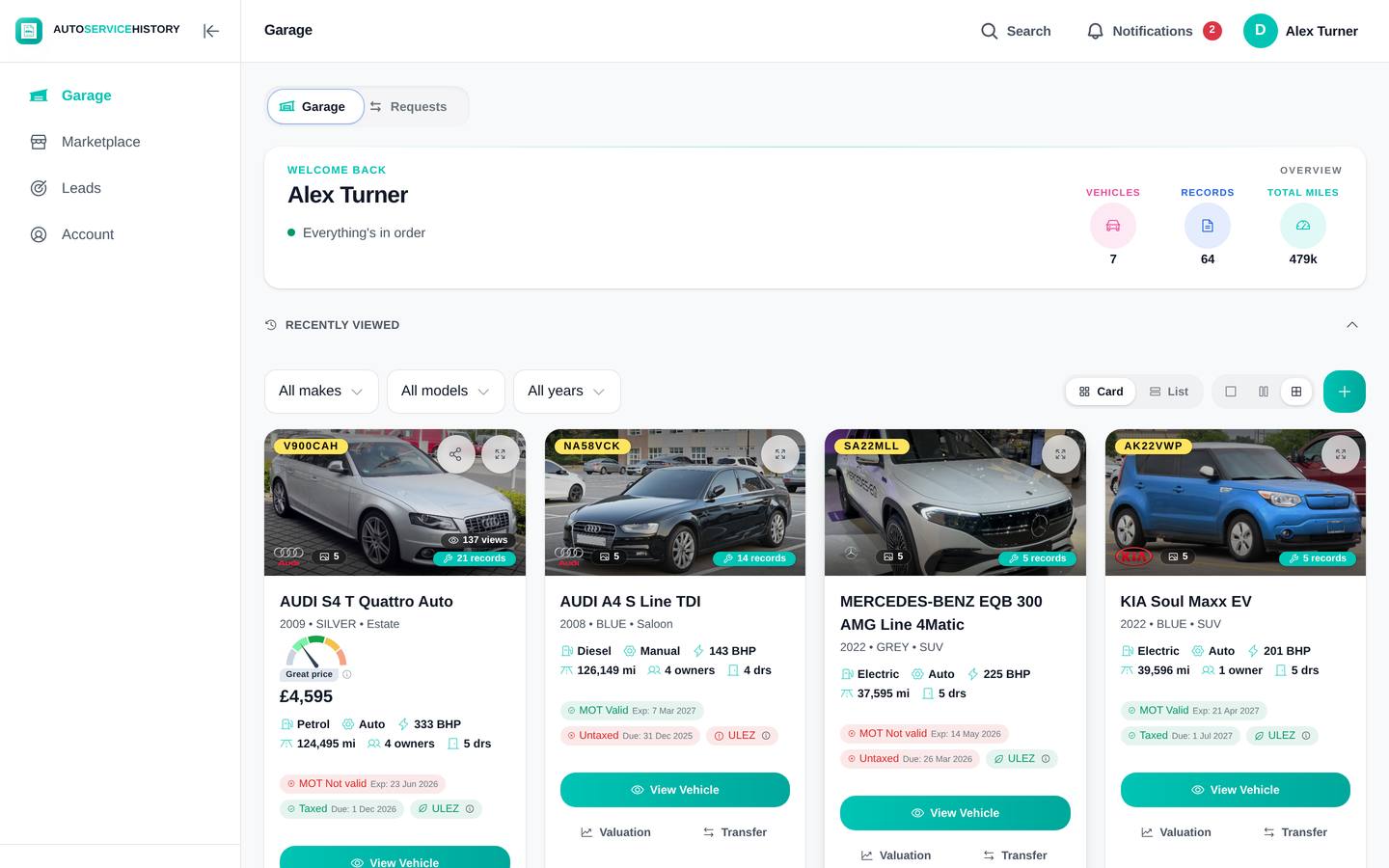
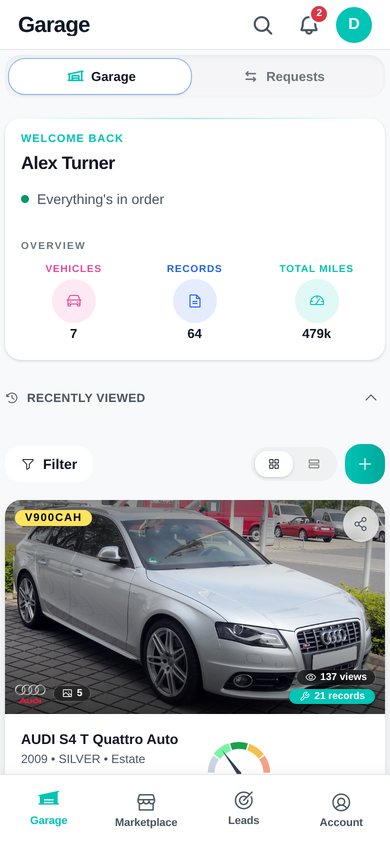
Paperwork only adds value if the buyer believes it. Photograph your receipts and invoices and the AI reads them into a record grouped by year, with your DVLA and MOT data pulled in automatically. If the early history sits with a franchised dealer, we can request the manufacturer’s records for you — they come back within hours.
What you hand over then is a share link the buyer opens with no app and no account: a verified report tied to the car’s VIN, with an AI that answers their questions from the car’s actual record rather than from you. There’s a free A4 “For Sale” sheet with a QR code on it for the windscreen too.
Starting costs nothing — no card, and no time limit on the free plan. Set the car up before you photograph it, and you’ll be selling with the history already sorted rather than promising to dig it out later.
The honest short version
- History first. Pull the MOT record, gather every receipt, chase the gaps. It costs time rather than money, so do it before anything else.
- Fix the cheap, visible faults. Bulbs, tyres, screen chips, wipers, warning lights, the missing parcel shelf and the second key.
- Don’t pre-buy big repairs. Unless a scheduled item is due — then get the invoice, or price the car accordingly and say so.
- Valet it, then photograph it properly. Dry day, plain background, mileage showing, paperwork in shot.
- Make the proof checkable. A record a buyer can open beats a folder they have to take on trust.
FAQ
Does a full service history increase a car’s value? A complete, verifiable record gives a buyer far less to haggle over, because they aren’t pricing in unknown neglect. The value sits in the proof you can show, not the phrase in the advert.
Should I service the car before selling it? If a service is due or overdue, yes — do it and keep the invoice showing the date and mileage. If it was serviced recently, don’t pay for another one; just show the record you already have.
Is it worth repairing dents and kerbed alloys before selling? Small cosmetic jobs usually pay for themselves, because they change the first impression. Larger bodywork often doesn’t — get a quote, and if it runs into the hundreds, disclose the damage and price the car with it.
Can I get service records from a previous owner’s garage? Sometimes. Garages keep records against the number plate or VIN, so it’s worth ringing round. Where the car was serviced at a franchised dealer, the manufacturer’s records can be requested and come back within hours.
Does a valet really change the price? It changes the buyer’s opening position. A clean, odour-free car with an empty boot and sharp photographs looks cared for, which makes the service history credible before anyone has read a word of it.