How do I stop time-wasters when selling my car?
You stop time-wasters by removing the reason to message you in the first place: a clear price, honest photographs, the faults listed, and the service history there in black and white. A lot of tyre-kickers are simply people fishing for information your advert didn’t give them. The rest are chancers, and a two-minute phone call sorts those out before they eat your Saturday.
Here’s how to do both, in the order you’d actually do them.
1. Answer every question before it gets asked
Time-wasters thrive on vagueness. If your advert is four dark photographs and “good runner, no silly offers”, every sensible question has to come to you by message — and so does every daft one. Put it all in the listing:
- The price, and whether you’ll take offers.
- Mileage, MOT expiry, number of former keepers.
- The faults. The kerbed alloy, the scuffed bumper, the boot release that sticks.
- Daylight photographs: all four corners, interior, boot, engine bay, and the number plate.
- Why you’re selling. People ask anyway.
Listing the faults feels like shooting yourself in the foot. It isn’t. It filters out the buyer who was planning to turn up, spot the scuff and open with a £700 discount. Someone who reads “nearside rear alloy is kerbed” and comes anyway has already priced it in, and you’ll have a shorter, calmer conversation on the driveway.
2. Price it so there’s nothing to argue about
Half the messages you’d call time-wasting are really haggling attempts aimed at a price that looks soft. Two things make a price look soft: a round number with “ono” after it, and no evidence behind it.
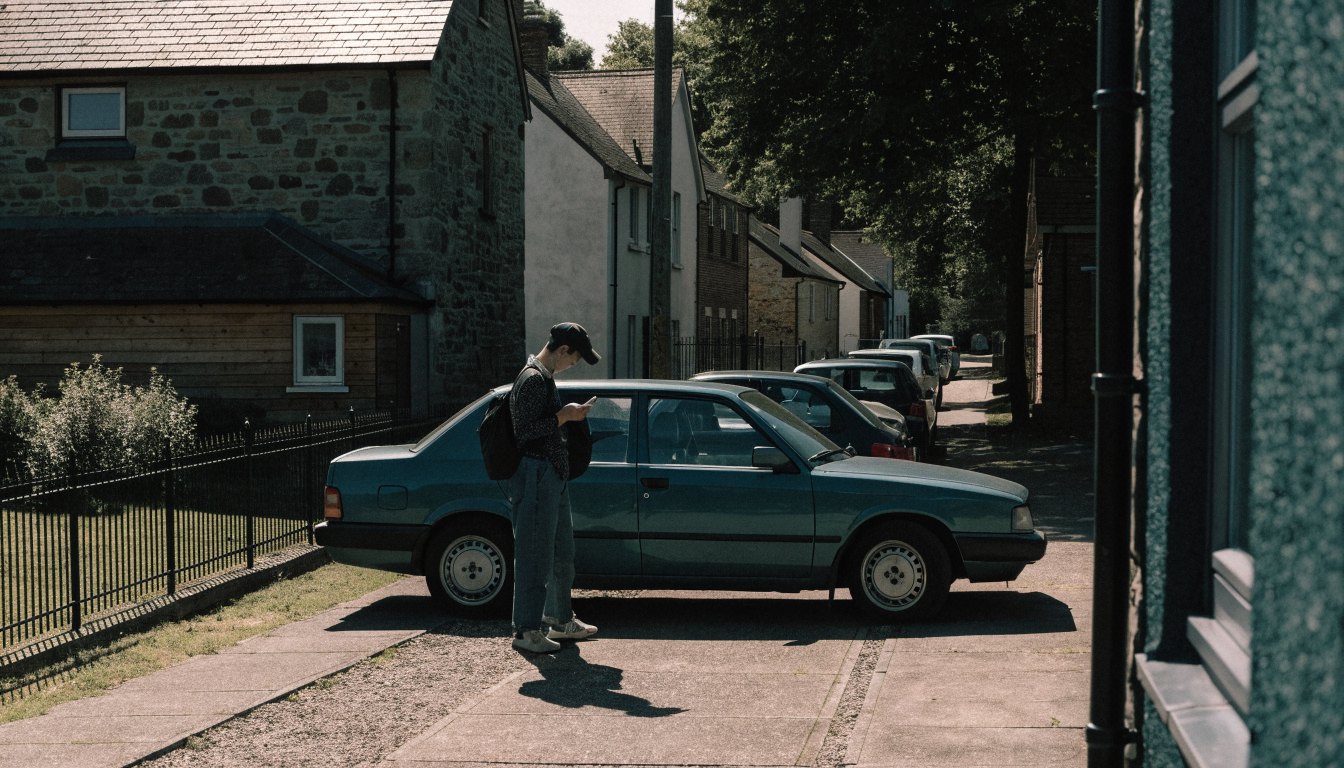
Check what similar cars — same engine, same mileage bracket, same MOT position — are actually advertised at, then set your number and give one line of reasoning with it. “£4,650. Cambelt and water pump done at 78,000, full service history, MOT until March” is a price with a floor under it. “£5,000 ono” is an invitation.
3. Put the service history where a buyer can actually see it
“Is the cambelt done?” is the question sitting behind a good chunk of the messages you’ll get. “I think so, it’s in the folder somewhere” invites a viewing that turns into a haggle on your driveway.
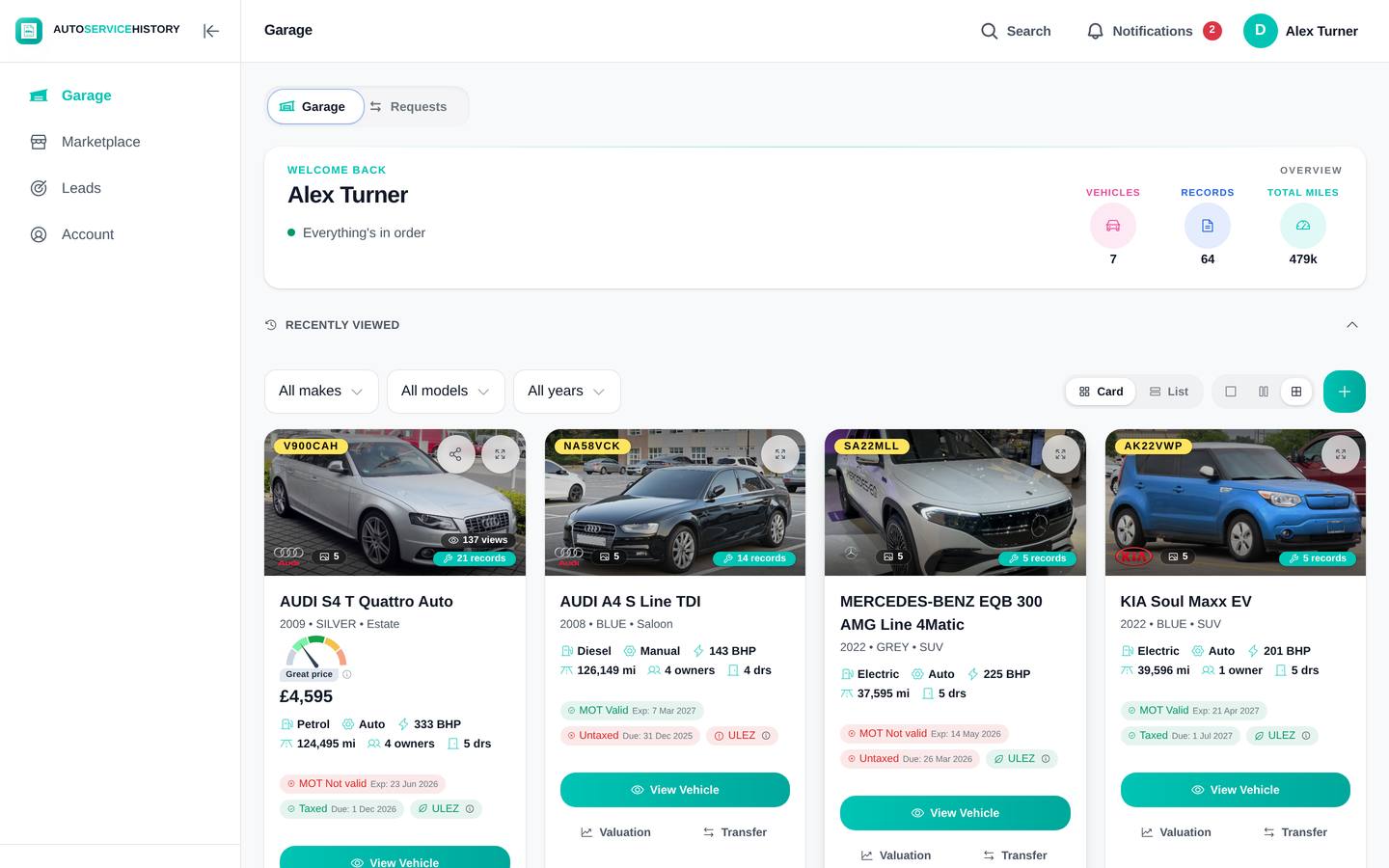
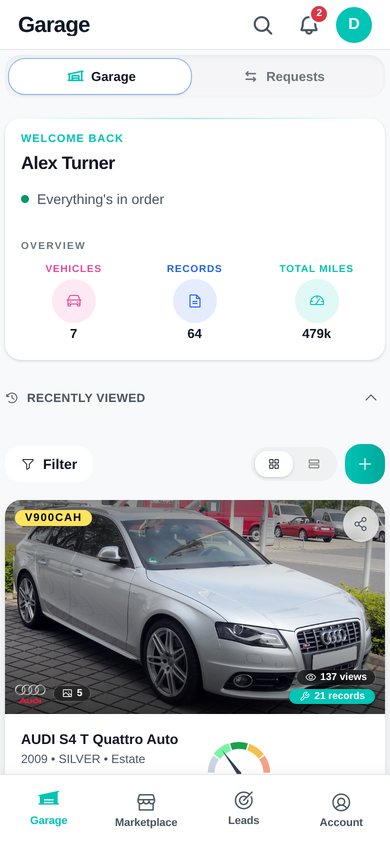
Photograph your receipts and invoices and the AI reads them into a dated timeline, with DVLA and MOT data pulled in automatically. If the manufacturer holds records you no longer have, those can be requested and come back within hours. What you end up with is a link — a verified report a buyer opens with no app and no account — plus a free A4 “For Sale” sheet with a QR code for the side window. See what an owner’s record looks like.
The link does two jobs. It answers the cambelt question, the last-service question and the MOT-advisory question in one place, before anyone gets in the car. And it changes what the viewing is for: instead of a stranger arriving to work out whether the car is any good, they arrive having decided it is, to check that it matches.
4. Let the first contact do the filtering
Messages are cheap. Make the next step slightly less cheap and the time-wasters fall away:
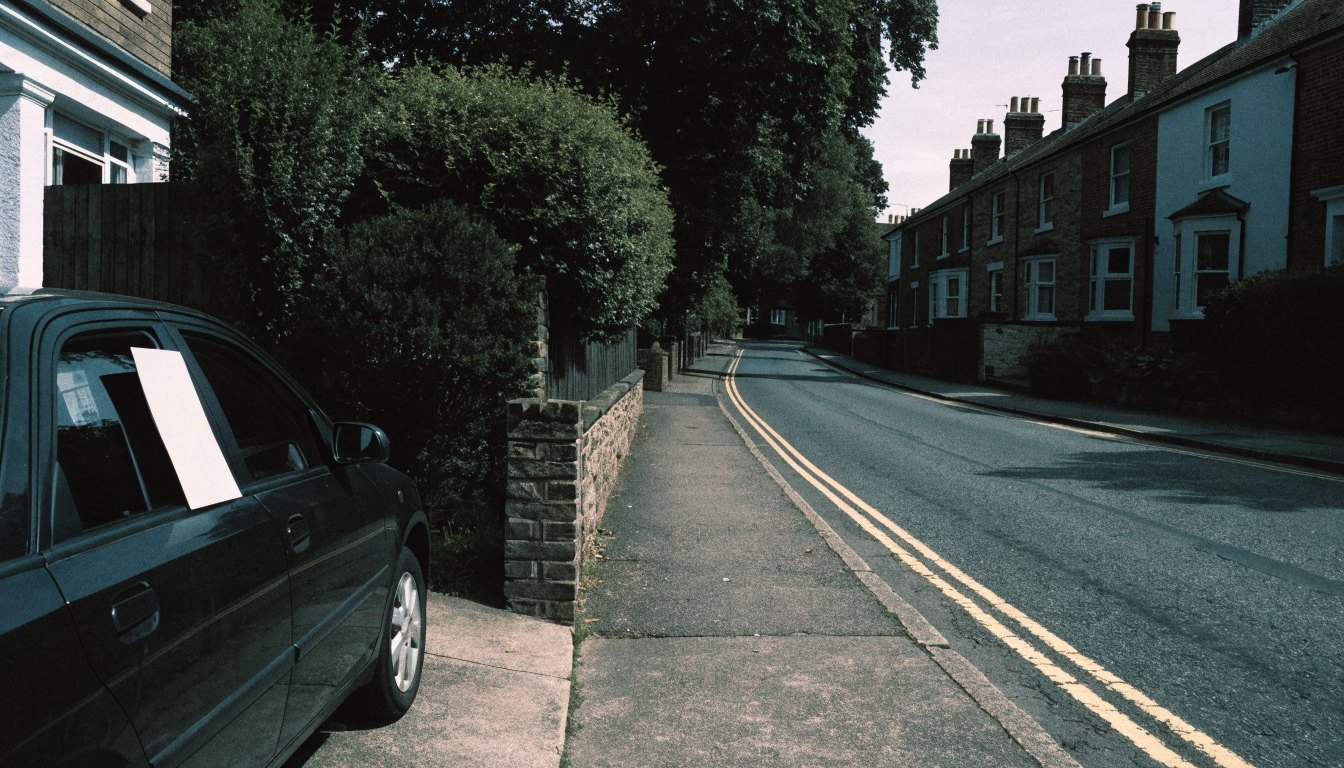
- Ask for a name and a mobile number, then ring it. Someone who won’t talk for two minutes rarely buys a car.
- Ask what they’re after. A buyer who has researched the model asks about the cambelt and the service intervals. A time-waster asks if you’ll take £2,000 less.
- Ask how they’re getting to you and how they intend to pay. Vague answers to both is your signal.
- Agree a firm day and time, and text it to them. No-shows dislike being pinned down.
Two kinds of message are worth ignoring outright: the offer that arrives before any question about the car, and the one that wants you to ship it, deliver it, or take payment through a “shipping agent”. Neither is a buyer.
If you’d rather not spend your evenings on this, the shared report has a 24/7 AI agent attached to it, answering from that car’s real record — last service, cambelt, MOT advisories — and booking viewings and callbacks while you’re at work. It doesn’t get bored at eleven at night. Set your car up free and send the link instead of retyping the same answers.
5. Set the terms of the viewing before anyone turns up
- Daylight only, at your driveway or a busy public car park. Never a lay-by after dark.
- Have someone with you. Two people changes the tone of a negotiation.
- Photograph their driving licence and confirm they’re insured before any test drive. Your policy may not cover them.
- Never hand over the keys and stay behind. Go with them.
- Payment cleared into your account before the V5C and the keys change hands. Not “sent”, cleared.
Put those terms in the text that confirms the time. It reads as organised rather than suspicious, and anyone who objects to them is someone you didn’t want on your driveway.
Let the record answer for you
Most of the messages you’d rather not deal with are requests for proof you haven’t put anywhere. So put it somewhere. A shared report holds the dated service timeline, the DVLA and MOT data and the photographed receipts on one page, and the free A4 sheet with the QR code means a passer-by can read the history without knocking on your door. There’s no time limit on the free plan and no card needed: see what’s free, or set your car up and send a link instead of a folder.
The honest short version
- Write the advert that answers everything — price, mileage, MOT expiry, former keepers, and the faults.
- Daylight photographs: all four corners, interior, boot, engine bay, number plate.
- Set a firm price with a reason attached, rather than a round number and “ono”.
- Make the service history visible up front — it’s the question you’ll be asked anyway.
- Ring every enquiry before you agree a time. Two minutes sorts the serious from the curious.
- Set the viewing terms: daylight, someone with you, licence photographed, insurance confirmed, no solo test drives.
- Cleared funds first, then the keys and the V5C.
FAQ
How do I stop time-wasters when selling my car privately? Put the information they’d otherwise have to message you for straight into the advert: a firm price, daylight photographs, mileage, MOT expiry, an honest list of faults, and the service history. Then ring every enquiry before agreeing a viewing — two minutes on the phone filters out most chancers.
How can I tell a tyre-kicker from a serious buyer? A serious buyer asks about the car — when the cambelt was done, the service intervals, the MOT advisories — and will give you a name and a mobile number. A time-waster opens with a big offer before seeing it, avoids the phone, and stays vague about how they’re getting to you and how they intend to pay.
Is it safe to let a stranger test drive my car? Only with checks first. Photograph their driving licence, confirm they’re insured to drive your car — your own policy may not cover them — and go with them rather than handing over the keys and waiting at home. Keep it to daylight and a route you know.
How should I take payment for a private car sale? Wait for cleared funds in your account before the V5C and the keys change hands. A transfer showing as “sent” is not money you can spend yet. Complete the sale at your own address in daylight, and tell DVLA you’ve sold the car the same day.